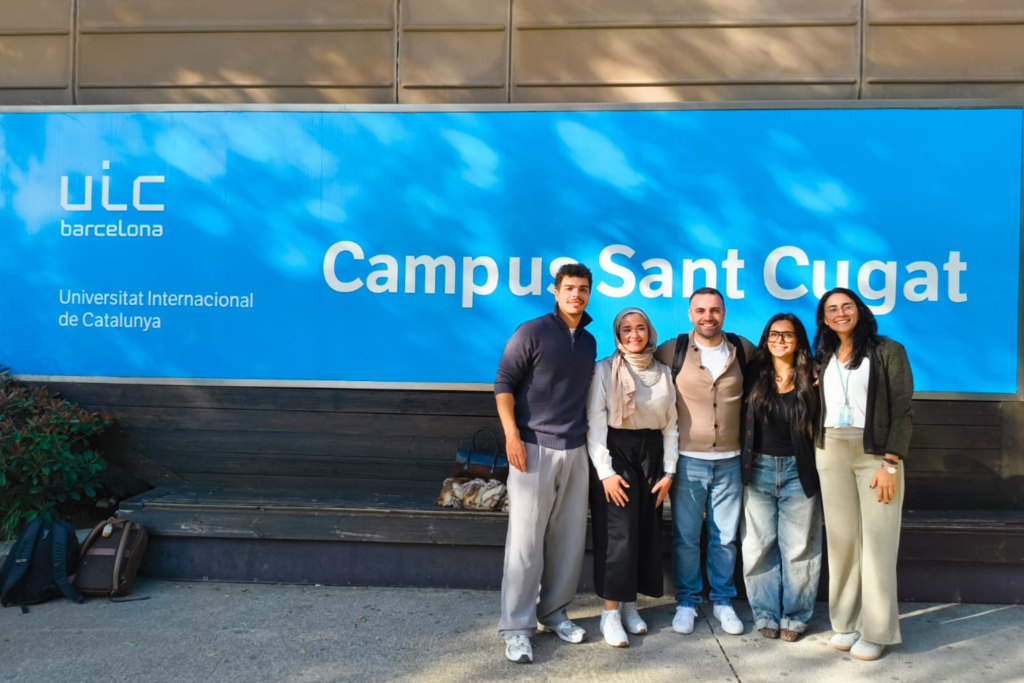
As part of the exchange program at the Universitat Internacional de Catalunya (UIC Barcelona), psychologist Emanuel Dias, from the Counseling and Support Office (GAAp), had the opportunity to learn about various university projects, services, and initiatives aimed at students’ academic, personal, and professional development.
Throughout this exchange, it became clear that UIC is committed to creating a university experience that goes beyond academic education, integrating guidance, personal development, community involvement, and preparation for professional life.
Elisabet Bosch and Mònica Argemí presented the work carried out as part of the Mentoring program, which is aimed at students in various years of study.
At UIC Barcelona, mentors play a role that goes beyond the academic realm, also providing guidance on personal and professional matters. The program aims to promote self-awareness, reflection, and the development of action plans, using tools such as active listening, communication, coaching, and personal development.
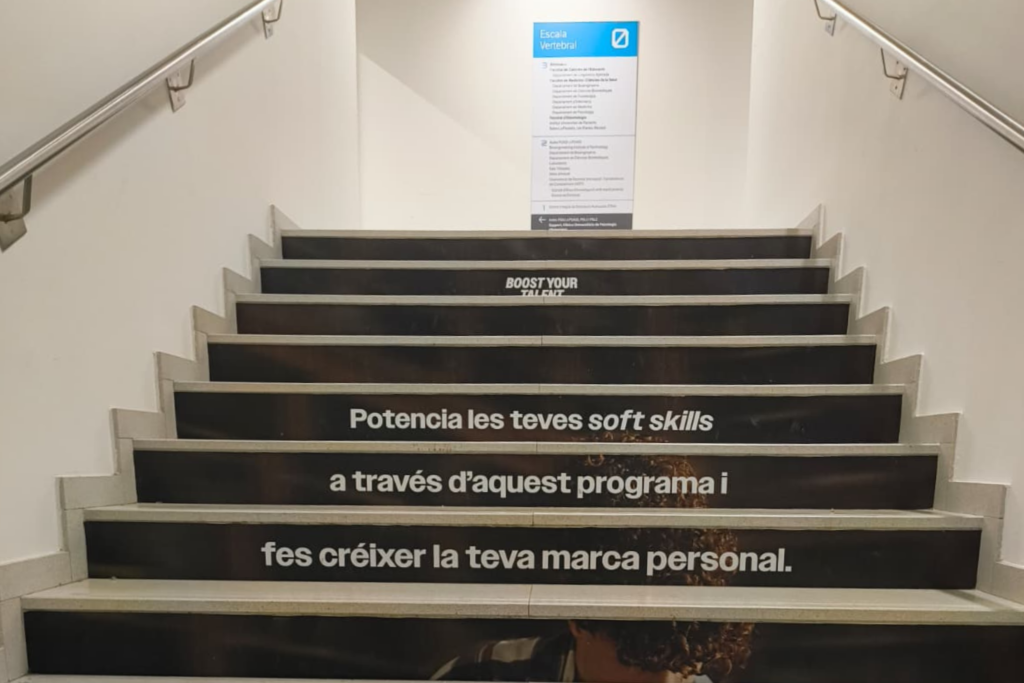
In this context, the BOOST YOUR TALENT program was also presented—a program that combines mentoring, online training, and practical activities to develop personal and professional skills. The program includes an initial skills assessment, self-awareness tools, and various activities focused on the practical application of what is learned.
The event also featured a presentation by Begoña Díaz from the Department of Psychology, providing insight into the curriculum, preparation for various career paths, and the importance placed on teaching, supervision, and progressive exposure to professional practice.
This link between education and clinical practice became particularly evident through the Support Clinic, presented by Olga Lozano. The clinic integrates psychology and psychiatry services for different age groups and also serves as a learning environment for psychology students. Students can observe real-life cases starting in their first years of the degree program and, in the later stages of their training, participate in certain interventions under supervision.
Another highlight of the visit was the Servei d’Estudiants, presented by Luísa Varona, where we learned about a diverse range of services designed to support students throughout their university experience.
These include services related to community outreach, culture, sports, academic support, scholarships, and integration support. The University promotes volunteer activities and community engagement initiatives, while also seeking to facilitate the integration of international students.
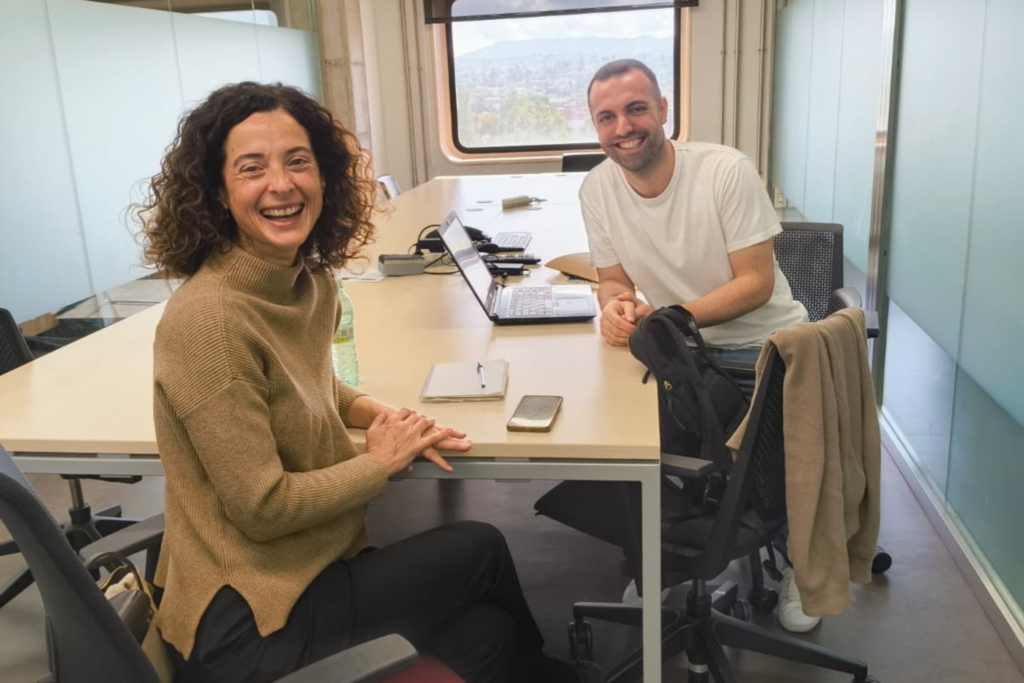
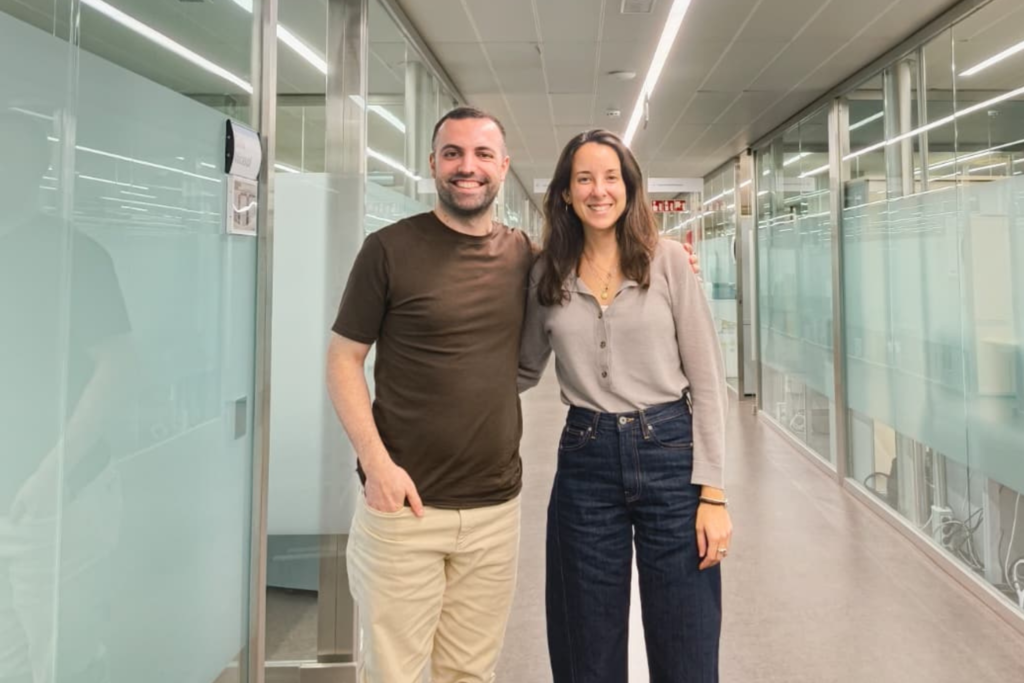
The orientation process begins on the very first day, through sessions designed to help students integrate and learn about academic and university life. Specific support is also available for international students, including information on documentation and various aspects of adjusting to life in Barcelona. The Student Services Office also plays a role in providing support related to housing and scholarships.
One of the most notable aspects in this regard was the emphasis on what might be understood as “university culture”: the transmission of social norms, values, responsibility, and organizational culture, with the aim of ensuring that students integrate not only as students but also as members of a community.
Through Andrea Lastra, we also learned about the psychological support services available to students, faculty, and administrative and support staff.
The service aims to address needs such as anxiety, emotional regulation, self-imposed pressure, difficulties related to assessments and performance, study and time management, developmental crises, and identity formation. The support is provided on a short-term basis, seeking to assist students throughout their academic journey and, when necessary, coordinate with other services.
UIC Barcelona also offers referrals to Clínica Support, which provides psychological and psychiatric care and offers special rates for the university community. The initial evaluation is free for students, faculty, and administrative and support staff at the University.
The program also included a lunch with Professor Carla Martos, Ph.D., Jana, Ynas, and Rubén, which provided an opportunity to discuss the educational and training process in Psychology at UIC Barcelona, as well as the opportunities and support services available to students.
The conversation also revealed a strong sense of belonging to the university and the possibility, for some students and alumni, of continuing their professional careers within the institution itself.
Overall, this mobility experience allowed us to discover a different university environment, observing how UIC Barcelona seeks to integrate education, mentoring, participation, psychological support, and preparation for professional life.
More than just learning about individual services, the visit provided insight into a specific culture of support, where academic development appears to be considered in tandem with personal and professional development.